
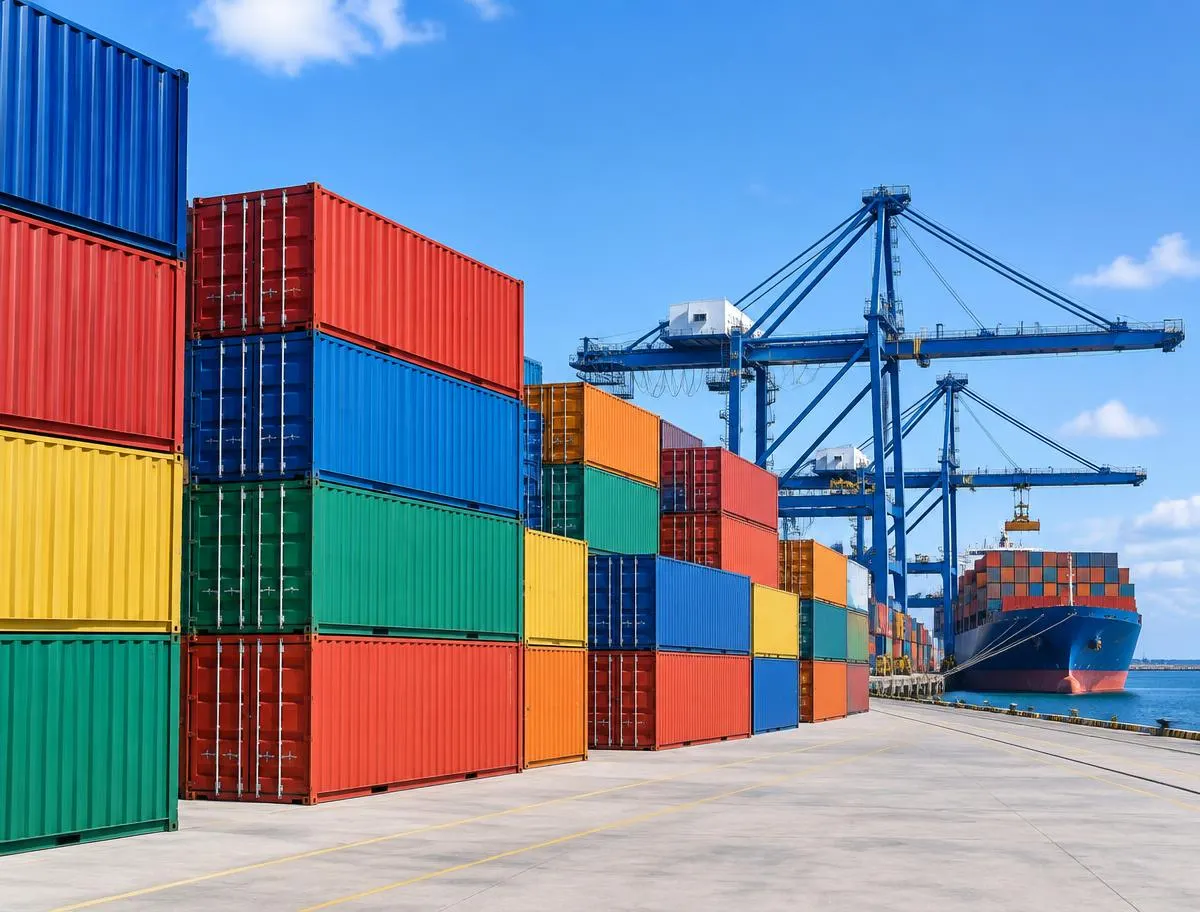
Choose the right international service
A dedicated container, shared-container consolidation, and air freight each trade off speed, cost, and control differently.
| Service | Speed | Relative cost | Best use |
|---|---|---|---|
| Dedicated container | Moderate | Higher | Larger shipments needing full control |
| Shared container (groupage) | Slower | Lower | Smaller loads where cost matters more than speed |
| Air freight | Fastest | Highest | Essentials or time-sensitive items |
Clarify whether the quote is door-to-door, door-to-port, or port-to-port. Destination charges, customs inspection, duties, storage, and unpacking may not be included.
Ready to compare movers?
Documentation and customs
Every destination sets its own import rules, so verify requirements directly with the destination customs authority or consulate.
- You may need passports, visas or residency documents, a detailed inventory, and customs forms.
- Some countries restrict food, plants, wood products, medicine, alcohol, electronics, vehicles, or cultural goods.
- Inventory descriptions should be specific and consistent across all paperwork.
More detail
Keep digital and paper copies of all forms, shipping documents, serial numbers, and receipts for high-value goods. Never hide restricted items in packed cartons; delays and penalties can follow.
We may earn a commission when you request quotes through our partners.
Pricing and timing
International pricing depends on volume, route, service type, and destination handling rather than a fixed national average.
- Ports, customs handling, destination access, packing, and storage all affect the total.
- A quote should state its validity period and which charges may change.
- Transit estimates aren't guaranteed arrival dates unless the contract says so.
Port congestion, inspections, weather, and consolidation schedules can cause delays. Carry documents, medication, chargers, work essentials, and several weeks of clothing separately from the shipment.
Ready to compare movers?
Questions, red flags, and protection
Verify every party that will handle the shipment and understand how marine coverage works before goods leave.
Ask before booking
- Who handles origin packing, ocean or air transport, customs, and final delivery?
- What are the names and credentials of the destination agents?
- What is the claims process, governing law, and dispute procedure?
Red flags
- Vague all-inclusive promises without itemized services.
- Cash-only payment requests.
- Missing destination charges.
- A company that can't identify its overseas partner.
More detail
Household goods should be packed for export conditions. Review marine transit protection, deductibles, exclusions, and whether coverage is based on declared value.
Ready to compare movers?
What an overseas moving quote should include
Normalize every proposal by the same categories so allowances aren't mistaken for fixed charges.
- Compare packing standard, inland transport, terminal handling, ocean or air freight, and customs support line by line.
- Ask which amounts are allowances and which are fixed.
- If destination services are payable locally, request the agent's current schedule and currency.
Before and after the shipment
- Get destination-agent details before booking.
- Separate fixed charges from estimates and allowances.
- Keep customs and shipping documents accessible while traveling.
More detail
At delivery, count packages against the inventory before unpacking. Note missing or visibly damaged pieces on the receipt, photograph concerns, and follow the policy's notice and claim deadlines exactly.
We may earn a commission when you request quotes through our partners.